
Why Courts Are Awarding Larger Verdicts in 2025

The legal landscape for personal injury claims in 2025 is shifting: verdicts and settlements are trending larger, reflecting changing attitudes toward compensation. This is a significant development for victims seeking fair restitution for their losses.
Key factors behind rising verdicts
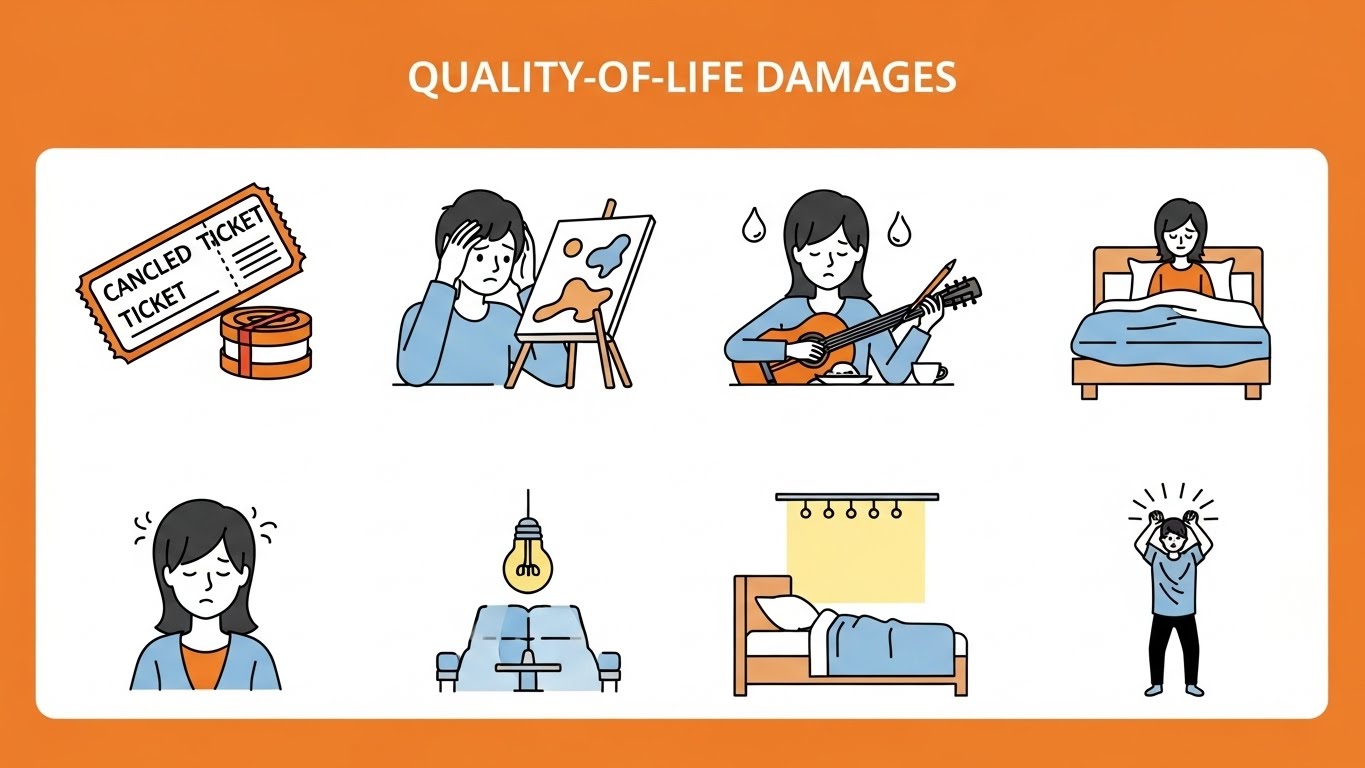
One main driver is a broader recognition of non-economic damages — not just medical expenses or lost wages, but emotional distress, loss of enjoyment of life, long-term psychological harm, and “invisible impairments.” Courts are increasingly using a multidimensional approach to damages that includes physical, emotional, social, and quality-of-life factors.
Also, higher medical costs, inflation, and rising costs of living push up the baseline for compensation. As healthcare, rehabilitation, and long-term care become more expensive, juries and insurers are adjusting verdicts accordingly.
Role of complex litigation: Cases involving serious injuries, long-term disability, or complex liability — like product liability, mass torts, or accidents involving autonomous vehicles — tend to result in higher compensation. As more of these cases enter the legal system, they drive the overall increase in average verdicts.
What victims and insurers should know

- Document everything thoroughly: Keep records of medical bills, therapy, mental health treatment, lost quality of life, and ongoing costs.
- Seek experienced legal counsel: Complex claims or serious injuries benefit from representation that understands how to value intangible damages.
- Be patient: Larger verdicts often come after longer litigation, expert testimony, and comprehensive presentation of evidence.
Implications for insurers and defendants: With higher payouts at stake, insurers and defendants have a stronger incentive to fight or settle early — potentially leading to more pre-trial negotiations. Defense strategies may include emphasizing comparative negligence, disputing emotional damages, or challenging the severity of long-term impact.
Conclusion
For victims of serious injuries or long-term impacts, 2025 may be one of the best times to pursue a claim. With courts acknowledging the full scope of suffering — physical, emotional, and existential — the potential for meaningful compensation has never been greater. But success often depends on meticulous documentation, strategic legal representation, and a realistic understanding of the litigation process.
Want to see how these compensation trends play out in real-world cases — including product liability or mass tort litigation? Stay tuned for our next detailed analyses in Litigation & Settlements.
Last modified: December 10, 2025