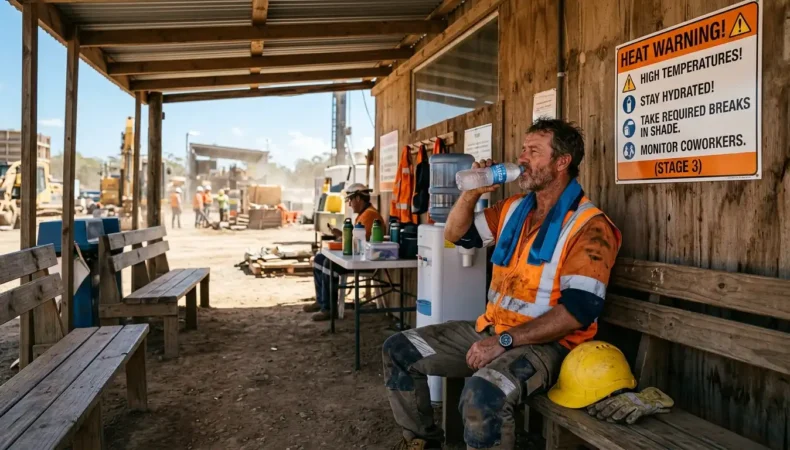
Heat illness at work is becoming a major 2026 workplace injury topic because federal regulators, employers, and workers are paying closer attention to indoor and outdoor heat hazards. Workers who become sick from heat exposure may have workers’ comp questions, safety concerns, and possible legal claims depending on the facts.
Why Heat Illness At Work Is A Major 2026 Issue
Workplace heat exposure is no longer limited to farm fields, construction sites, and outdoor road crews. Indoor workers can also face serious risks in warehouses, kitchens, factories, laundries, delivery hubs, and facilities with poor ventilation or heat producing equipment.
The Occupational Safety and Health Administration has been working on a proposed federal rule for Heat Injury and Illness Prevention in Outdoor and Indoor Work Settings. OSHA states that excessive workplace heat can cause adverse health effects, including heat stroke and death. The agency also explains that workers in indoor and outdoor settings without adequate climate controls may face hazardous heat exposure.
This matters for injured workers because heat related illness can happen quickly. A worker may begin with dizziness, weakness, nausea, cramps, confusion, heavy sweating, or fainting. In serious cases, heat illness can become a medical emergency.
What Counts As Heat Illness At Work?
Heat illness at work can include several conditions. Some may be mild at first, while others can become life threatening. The Centers for Disease Control and Prevention notes that outdoor and indoor workers exposed to extreme heat or hot environments may be at risk for heat related illnesses. The CDC also explains that occupational heat stress can involve environmental heat, body heat from physical work, clothing, and personal protective equipment.
Common Heat Related Conditions
Heat related workplace conditions may include heat rash, heat cramps, heat exhaustion, and heat stroke. Workers may also suffer secondary injuries when heat causes dizziness, poor concentration, sweaty hands, blurred visibility through safety glasses, fatigue, or loss of balance.
For example, a worker who becomes dizzy from heat exposure may fall from a ladder. A warehouse employee may slip after becoming weak during a hot shift. A kitchen worker may faint near equipment. These injuries can create both medical and legal questions because the heat exposure and the accident may be connected.
Who Faces Higher Heat Illness Risks?
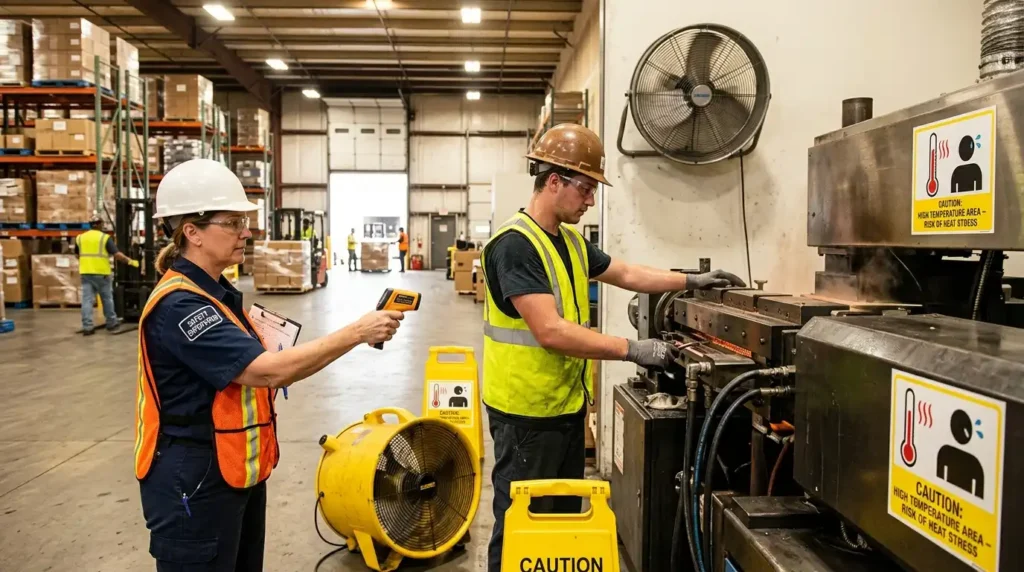
Heat illness can affect many workers, but some jobs carry higher risk. Outdoor workers may face direct sun exposure, humidity, heavy protective clothing, limited shade, and physically demanding tasks. Indoor workers may face poor airflow, hot equipment, steam, ovens, machinery, or buildings without proper cooling systems.
Examples Of At Risk Workplaces
Common workplaces with heat illness concerns include construction sites, farms, warehouses, delivery operations, restaurant kitchens, manufacturing plants, bakeries, foundries, landscaping jobs, roofing projects, roadwork zones, and utility work.
Indoor Heat Hazards Matter Too
Many workers assume heat illness is only an outdoor issue. That is not accurate. Indoor heat can build up in crowded spaces, poorly ventilated facilities, or workplaces that rely on heat producing machinery. Workers may also face heat stress when they wear gloves, masks, protective suits, helmets, or other equipment that traps body heat.
Workers’ Comp And Heat Illness At Work
A heat illness may qualify as a work related injury or illness when it happens during job duties or because of work conditions. Workers’ comp rules vary by state, but many systems focus on whether the illness arose out of and occurred during employment.
That means the details matter. A worker may need to show what they were doing, where they were working, what the temperature or conditions were, whether they had access to shade, water, rest breaks, cooling areas, ventilation, or proper training, and when symptoms began.
Workers with serious symptoms may need emergency treatment, follow up care, time away from work, work restrictions, or medical documentation. Medical records can be especially important because heat illness symptoms may overlap with other health problems.
When A Claim May Involve More Than Workers’ Comp
Some workplace heat illness cases may involve questions beyond a basic workers’ comp claim. A third party claim may come up if another company, contractor, property owner, equipment provider, or site manager contributed to unsafe conditions.
For example, a staffing agency worker may be assigned to a facility with dangerous indoor heat conditions. A subcontractor may work on a site where another party controls shade, water access, schedules, or cooling plans. A defective cooling system or broken equipment may also become relevant in some cases.
For broader information about workplace injury issues, visit the Workplace Injuries category. For evidence related topics, see the Evidence & Investigation guide.
Evidence That May Support A Heat Illness Claim
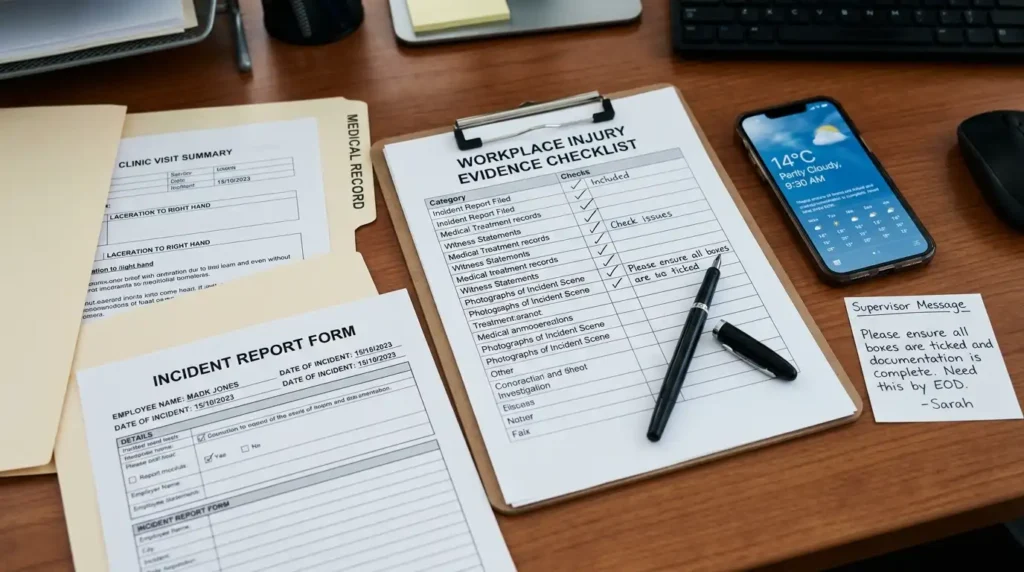
Documentation can help connect the illness to the work environment. Heat illness claims may depend on medical records, witness statements, job schedules, incident reports, weather information, safety policies, text messages, photos, videos, and workplace temperature records.
A worker may also document whether water, shade, rest breaks, fans, ventilation, cooling stations, or heat illness training were available. If the employer used safety technology, wearable monitors, or heat alerts, that data may also matter. For related technology issues, read AI Wearables in the Workplace.
What Injured Workers Can Do After Heat Illness
1. Report The Symptoms And Incident
Workers can report symptoms as soon as possible to a supervisor, manager, or safety representative. A written report may help document when the symptoms began and where the worker was assigned.
2. Seek Medical Care
Heat illness can become serious quickly. Medical care creates a record of symptoms, diagnosis, treatment, work restrictions, and possible causes. A doctor can also evaluate whether the worker needs time away from work or modified duties.
3. Preserve Workplace Details
Workers can save schedules, messages, photos, weather information, jobsite details, and names of witnesses. These details may help show whether the heat exposure was linked to work duties.
4. Track Ongoing Effects
Some workers feel better quickly, but others deal with fatigue, headaches, organ complications, anxiety, or fear of returning to the same conditions. Medical follow up may help document any continuing effects.
How OSHA Heat Rule Updates May Affect Workers
OSHA’s proposed heat rule has not ended the conversation. Instead, it has made heat hazards a central workplace safety issue in 2026. The proposed standard focuses on employer planning, evaluation, and control of heat hazards. Even before any final rule, heat safety remains tied to workplace safety duties, training, hazard assessment, and injury prevention.
For workers, this means heat illness documentation may become more detailed. Employers may use heat plans, temperature monitoring, rest schedules, acclimatization steps, water access policies, and written training records. Those materials may become relevant after a heat related injury.
Final Thoughts
Heat illness at work is a serious workplace injury topic in 2026 because climate conditions, indoor heat hazards, fast paced jobs, and changing safety rules are all drawing attention. Workers who become sick from heat exposure may need medical care, documentation, and a clear understanding of available claim options.
Heat illness claims can involve more than temperature alone. The stronger questions are often about job duties, workload, rest breaks, water access, shade, ventilation, training, reporting, and whether the workplace responded properly once symptoms appeared.
Last modified: May 13, 2026