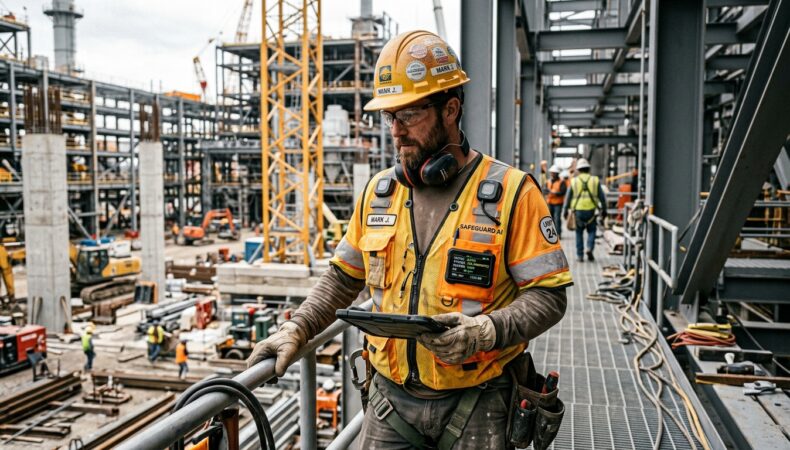
Workplace safety is rapidly evolving with the introduction of artificial intelligence (AI). One of the most significant innovations is the use of AI-powered wearable devices designed to monitor workers in real time and prevent injuries before they occur. From smart helmets to fatigue-tracking wristbands, these tools are transforming how employers approach safety.
However, while these devices offer promising benefits, they also raise an important legal question: what happens when AI safety wearables fail and a worker is injured?
The Rise of AI Wearables in Workplace Safety
AI wearables are intelligent devices equipped with sensors and machine learning technology that track a worker’s physical condition and environment. These devices are increasingly used in high-risk industries such as construction, manufacturing, and logistics.
They are designed to detect:
- Fatigue and exhaustion
- Unsafe posture or repetitive movements
- Hazardous environmental conditions
- Sudden falls or impacts
Explore more workplace-related injury topics in our Workplace Injury Articles.
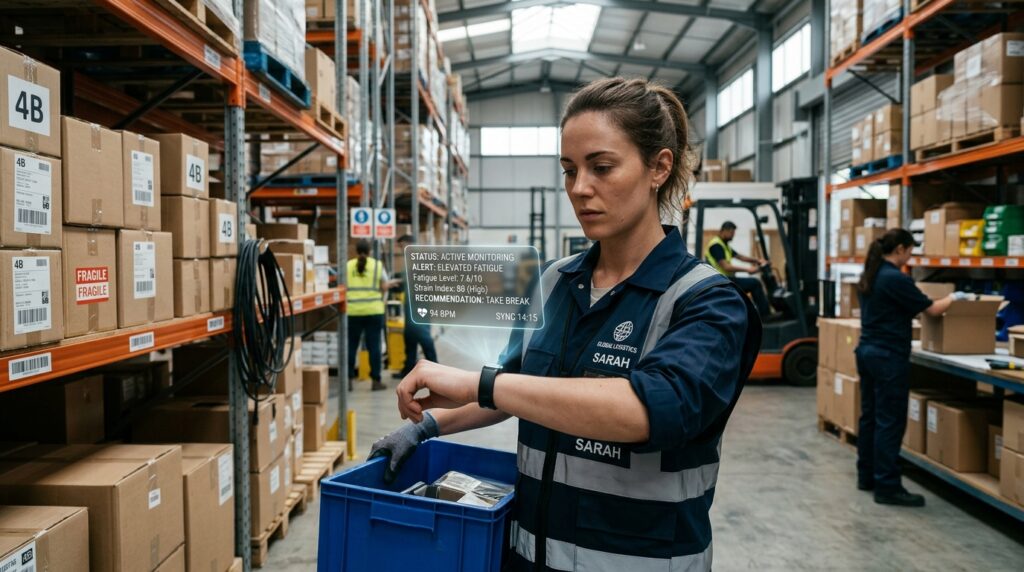
Prompt: Warehouse worker wearing smart wristband showing fatigue alerts, digital interface overlay, modern logistics environment, realistic
How AI Wearables Help Prevent Injuries
AI-powered wearables provide real-time alerts that help workers and supervisors respond quickly to potential risks. For example, if a worker shows signs of fatigue, the device can send a warning to take a break. If unsafe posture is detected, it can prompt immediate correction.
Key Benefits of AI Safety Wearables
- Early hazard detection: Identifies risks before accidents happen
- Improved worker awareness: Encourages safer behavior
- Data-driven decisions: Helps employers improve safety policies
- Faster emergency response: Detects incidents instantly
According to the Occupational Safety and Health Administration (OSHA), employers are still responsible for maintaining safe working environments regardless of the technologies they implement.
When AI Wearables Fail: Who Is Liable?
Determining liability in accidents involving AI wearables is more complex than traditional workplace injury cases. Multiple parties may be involved, depending on how the failure occurred.
Employer Responsibility
Employers are legally required to provide a safe work environment. If they rely on wearable technology but fail to properly implement or maintain it, they may still be held responsible for worker injuries.
Product Manufacturer Liability
If the wearable device has a defect—such as faulty sensors or inaccurate readings—the manufacturer may be held liable under product liability laws.
Software and AI Developers
AI systems depend heavily on software algorithms. If the system fails to detect risks due to poor programming or lack of testing, developers may share responsibility.
Third-Party Monitoring Services
Some companies use external platforms to monitor wearable data. If these systems fail or misinterpret information, those providers could also be held accountable.
Learn more about your legal rights in our Personal Injury Law Resource Center.
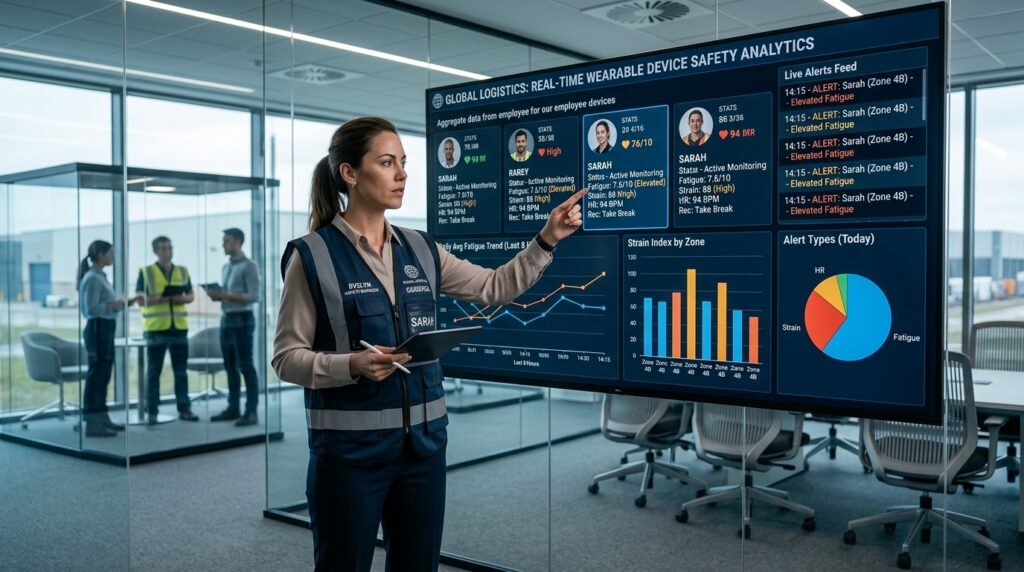
Prompt: Office manager viewing real-time safety analytics dashboard from wearable devices, multiple worker stats displayed, modern tech office
Legal Challenges in AI Workplace Injury Cases
AI-related injury claims introduce several legal complexities that are not typically present in standard workplace accidents.
- Data accuracy: Was the wearable data reliable?
- Causation: Did the device failure directly cause the injury?
- Shared liability: Multiple parties may be responsible
- Privacy concerns: Worker data collection may raise legal issues
For additional background on workplace safety standards, visit the National Institute for Occupational Safety and Health (NIOSH).
Are Employers Becoming Too Dependent on AI?
While AI wearables are valuable tools, they should not replace traditional safety measures. Employers must continue to enforce safety protocols, provide proper training, and maintain safe working environments.
Over-reliance on technology can increase liability, especially if basic safety practices are neglected.
What Injured Workers Should Do
If you are injured while using workplace safety wearables, taking the right steps can protect your rights:
- Seek immediate medical attention
- Report the incident to your employer
- Document the wearable device and its condition
- Request access to safety and device data
- Explore your legal options
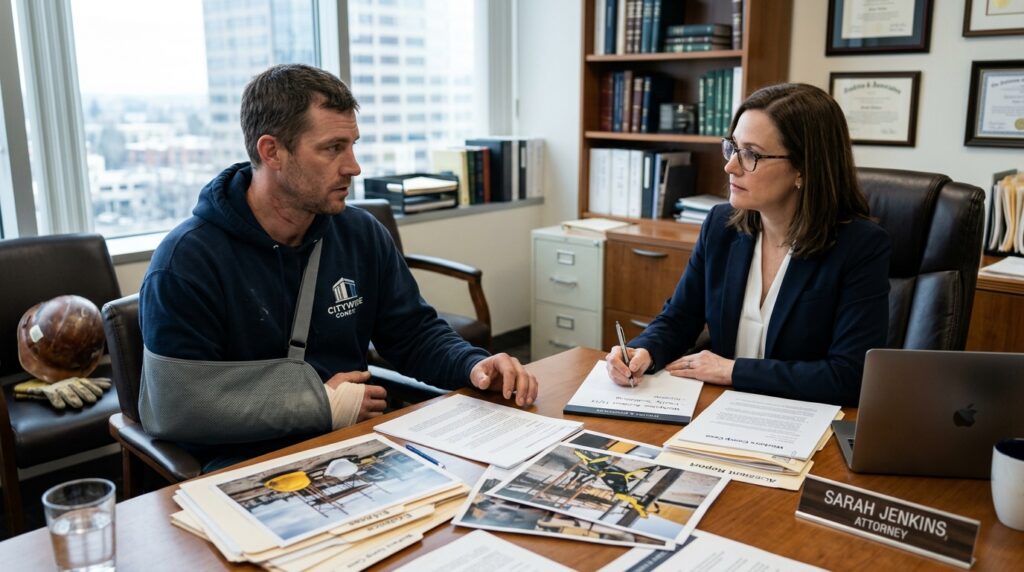
Alt text: Injured worker consulting lawyer after workplace safety device failure
The Future of Workplace Safety Technology
AI wearables are expected to become more advanced, incorporating predictive analytics and real-time hazard detection. These improvements could significantly reduce workplace injuries in the future.
However, as technology evolves, legal standards must also adapt. Employers, manufacturers, and regulators must work together to ensure these tools improve safety without creating new risks.
Conclusion
AI-powered wearable devices are transforming workplace safety by offering real-time monitoring and proactive risk prevention. However, when these systems fail, determining liability can be complex and involve multiple parties.
Understanding how these technologies work—and their legal implications—is essential for both workers and employers. While AI can enhance safety, it should always be used alongside strong safety practices and proper oversight.
Last modified: April 1, 2026