With the rise of smart technology, AI-powered dashcams are rapidly changing how car accident claims are handled. In 2026, these devices are no longer just recording tools—they actively detect collisions, analyze driver behavior, and provide real-time alerts. If you’ve been involved in a car accident, understanding how AI dashcam evidence works could significantly impact your claim.
What Is an AI Dashcam?
An AI dashcam is an advanced camera system installed in your vehicle that uses artificial intelligence to monitor road conditions, detect hazards, and record driving events. Unlike traditional dashcams, these devices can:
- Detect collisions automatically
- Identify unsafe driving behavior
- Provide lane departure warnings
- Store and upload footage to the cloud
This makes them extremely valuable when proving fault in an accident.
Why AI Dashcam Evidence Matters in Accident Claims
Insurance companies and legal professionals are increasingly relying on video evidence to determine liability. AI dashcams provide clear, unbiased documentation of events leading up to and during a crash.
Key Benefits:
- Objective Proof: Removes “he said, she said” disputes
- Faster Claims Processing: Clear evidence speeds up decisions
- Fraud Prevention: Helps detect staged accidents
- Higher Settlement Chances: Strong evidence can increase payouts
Learn more about accident evidence and proving liability in our guide: How Digital Evidence (Dash Cams, Smartphones, Social Media) Is Changing Injury Claims.
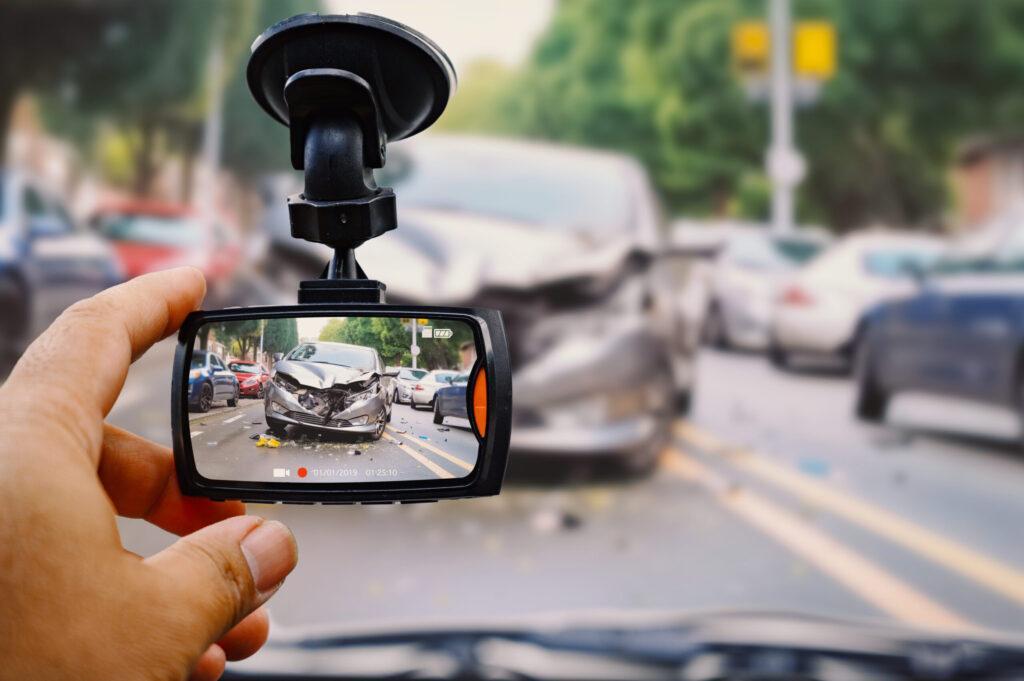
How AI Dashcam Footage Is Used Legally
Dashcam footage is generally admissible in court, provided it is obtained legally and has not been tampered with. However, laws may vary depending on your location.
For example, in some jurisdictions, recording audio without consent may violate privacy laws. Always ensure your device complies with local regulations.
For official legal insights, visit: National Highway Traffic Safety Administration.
Important Legal Considerations:
- Ensure timestamps are accurate
- Keep original, unedited footage
- Back up files immediately after an accident
- Follow local privacy and recording laws
Common Scenarios Where Dashcam Evidence Helps
AI dashcams are especially useful in the following accident scenarios:
- Rear-end collisions
- Hit-and-run incidents
- Intersection accidents
- Lane-change disputes
If you’ve experienced any of these, you may also want to read: What to Expect from Auto Accidents Involving Autonomous and Rideshare Vehicles.
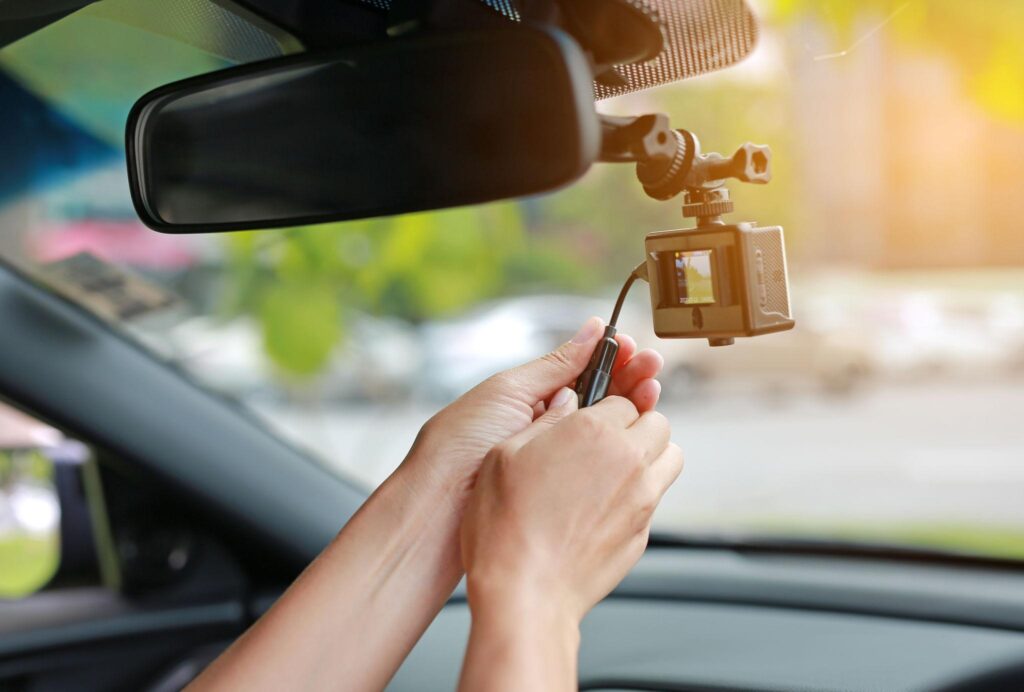
How to Strengthen Your Claim Using Dashcam Footage
Simply having footage is not enough—you must use it effectively. Follow these steps:
1. Secure the Footage Immediately
After an accident, save and back up the video to prevent data loss.
2. Share with Your Insurance Company
Provide a copy along with your claim documentation.
3. Consult a Legal Expert
An attorney can help interpret the footage and use it to support your case.
4. Avoid Posting Online
Sharing footage publicly may harm your claim or violate privacy laws.
Are There Any Downsides?
While AI dashcams offer many benefits, there are some potential drawbacks:
- Privacy concerns
- Initial cost of installation
- Data storage limitations
- Potential misuse of footage
Despite these concerns, the advantages often outweigh the risks, especially when dealing with complex accident claims.

Future of AI in Car Accident Claims
As AI technology continues to evolve, dashcams are expected to become even more sophisticated. Future features may include:
- Real-time accident reporting to authorities
- Automatic insurance claim filing
- Advanced driver behavior analysis
This means that having an AI dashcam could soon become a standard requirement rather than an optional upgrade.
Final Thoughts
AI dashcams are transforming how car accident claims are handled in 2026. They provide clear, reliable evidence that can protect your rights, speed up claims, and improve your chances of receiving fair compensation.
If you frequently drive or want added security on the road, investing in an AI dashcam is a smart move—not just for safety, but for legal protection as well.
Last modified: March 26, 2026