
The Rise of AI‑Driven Claim Processing

In 2025, the use of artificial intelligence (AI) by insurance companies and law firms is rapidly transforming how personal injury claims are processed. While this can lead to faster decisions, it also poses risks for claimants — especially when AI undervalues intangible damages or mis-evaluates liability.
Why AI is becoming ubiquitous in injury claims
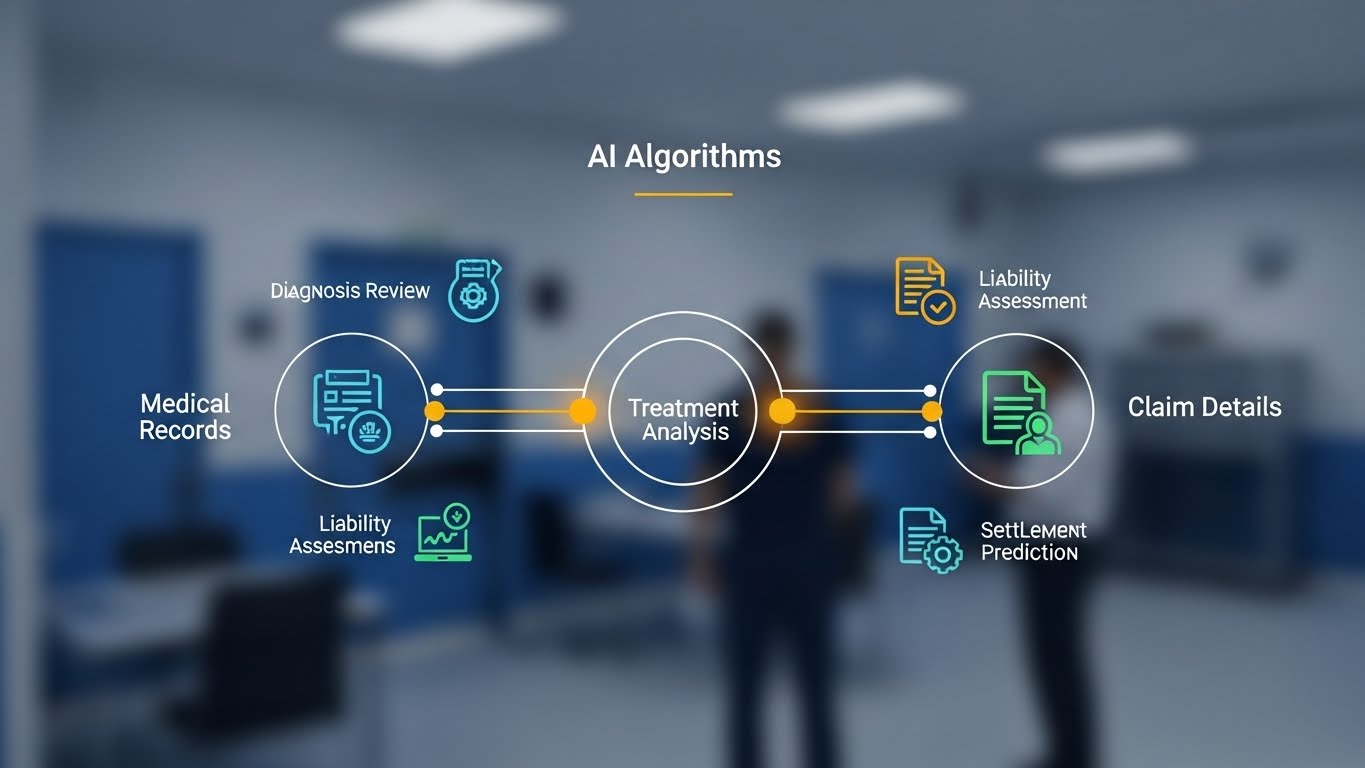
Many firms are using AI algorithms to analyze claim details, medical records, and prior similar cases to estimate likely settlement amounts or liability. This trend is driven by a broader digital transformation across the legal industry.
From an operational standpoint, AI helps firms manage large volumes of cases more efficiently. For repeat-type claims — such as slip-and-fall, minor car accidents, or standard workplace injuries — AI can quickly generate a recommended offer, reducing the need for manual review.
- Pros: Faster processing, consistency, efficiency
- Quick turnaround from claim submission to offer or decision.
- Standardized evaluation which can avoid human error or oversight.
- Lower operational costs for insurers and firms, potentially translating to more cases handled.
- Cons: Risk of undervaluing damages, bias, missing nuance
- AI may overlook intangible losses like emotional distress, PTSD, loss of enjoyment of life, or long-term quality-of-life reduction.
- AI might perpetuate systemic biases, undervaluing claims from disadvantaged or under-represented groups.
What this means for clients & future regulation

If you’re filing a personal injury claim in 2025 or beyond, being aware of AI’s role is crucial. Here are some tips:
- Request a full explanation of how your claim was evaluated — was it processed manually or by AI?
- Ensure medical records reflect not only physical but also psychological and emotional harm (e.g. anxiety, PTSD, long-term therapy).
- Consult with an experienced attorney who understands both AI-based evaluation and how to argue for fairer compensation where AI falls short.
Looking ahead: As AI becomes more entrenched in personal injury law, regulatory frameworks will likely emerge to ensure fairness, transparency, and accountability. Legal technologists are already exploring methods to audit AI-based decisions to prevent bias and arbitrary undervaluation.
Conclusion
AI-driven claim processing is a double-edged sword. On one hand, it offers speed, efficiency, and standardized claim handling. On the other, it risks depersonalizing claims and underestimating real human suffering. For personal injury clients, awareness — and strong legal representation — has never been more important.
If you want to explore related trends — like how digital evidence is being used, or how wearable tech affects injury claims — check out our upcoming articles in the Technology & Legal Trends section.
Last modified: December 10, 2025