
AI-Generated Evidence in Court: Admissibility, Challenges, and Legal Risks in 2026
As artificial intelligence continues to reshape industries worldwide, its impact on the legal system—particularly in court procedures and litigation—has become impossible to ignore. In 2026, one of the most significant developments is the increasing use of AI-generated evidence in courtrooms. From AI-enhanced video reconstructions to algorithm-generated accident reports, these tools are transforming how cases are presented and decided.
However, with innovation comes complexity. Courts, attorneys, and litigants now face new challenges in determining whether AI-generated evidence is reliable, admissible, and fair.
What Is AI-Generated Evidence?
AI-generated evidence refers to any form of data or material created, enhanced, or interpreted by artificial intelligence systems. This includes:
- AI-enhanced surveillance footage
- Deepfake detection reports
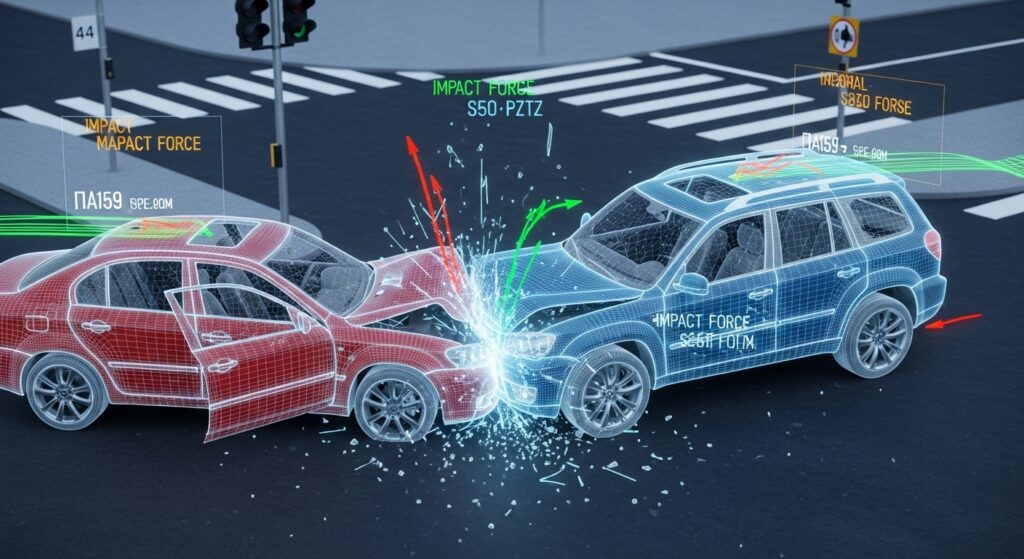
- Accident reconstructions using machine learning
- Predictive analytics for injury claims
- Automated medical assessments
In personal injury litigation, such evidence is increasingly used to establish fault, reconstruct events, and estimate damages.
Suggested Inner Image Placement
Is AI-Generated Evidence Admissible in Court?
The admissibility of AI-generated evidence largely depends on traditional evidentiary rules, including relevance, reliability, and authenticity. Courts are now adapting these standards to account for emerging technologies.
1. Reliability and Accuracy
Judges must determine whether the AI system used is reliable. This includes examining:
- The algorithm’s training data
- Error rates
- Transparency of the system
If the AI tool operates as a “black box,” courts may be hesitant to accept its output as evidence.
2. Authentication Requirements
Just like traditional evidence, AI-generated content must be authenticated. This means proving that the evidence is genuine and has not been altered.
For example, a lawyer presenting AI-enhanced dashcam footage must demonstrate how the enhancement process works and confirm that it did not distort the original data.
3. Expert Testimony
In many cases, expert witnesses are required to explain how AI-generated evidence was produced and why it should be considered reliable.
Learn more about how evidence impacts claims in this guide: AI Dashcams & Video Evidence in Car Accident Claims
For more insights on liability in emerging technologies, visit: what to expect from auto accidents involving autonomous and rideshare vehicles.
Legal Challenges of AI Evidence
Despite its advantages, AI-generated evidence introduces several legal challenges that can complicate litigation.
Bias in AI Systems
AI systems are only as good as the data they are trained on. If the training data contains bias, the output may also be biased, potentially affecting case outcomes.
Data Privacy Concerns
AI tools often rely on large datasets, which may include sensitive personal information. This raises concerns about data privacy and compliance with regulations.
Manipulation and Deepfakes
The rise of deepfake technology has made it easier to create convincing but false evidence. Courts must now be vigilant in verifying the authenticity of digital materials.
Suggested Inner Image Placement

How AI Evidence Is Changing Personal Injury Litigation
In personal injury cases, AI-generated evidence is becoming a powerful tool for both plaintiffs and defendants.
Stronger Case Presentation
AI can create detailed reconstructions of accidents, helping juries visualize what happened. This can make arguments more compelling and easier to understand.
Faster Case Resolution
By automating data analysis and evidence generation, AI can significantly reduce the time required to prepare a case.
Increased Disputes Over Evidence
At the same time, opposing parties may challenge the validity of AI-generated evidence, leading to additional hearings and legal debates.
For more insights on evolving liability issues, visit: Who Is Liable in Accidents Involving Autonomous Delivery Robots?
Best Practices for Using AI Evidence in Court
To effectively use AI-generated evidence, legal professionals should follow these best practices:
- Work with reputable AI providers
- Ensure transparency in how the AI system operates
- Document the entire process of evidence generation
- Use expert witnesses to support admissibility
- Verify compliance with legal and ethical standards
Suggested Inner Image Placement

Future Outlook: Will AI Evidence Become the Standard?
As courts become more familiar with AI technologies, the use of AI-generated evidence is expected to grow. Legal frameworks will likely evolve to establish clearer guidelines for admissibility and usage.
However, the balance between innovation and fairness remains critical. Courts must ensure that technology enhances justice rather than undermines it.
Conclusion
AI-generated evidence is transforming court procedures and litigation in 2026. While it offers significant advantages in terms of efficiency and clarity, it also introduces new legal challenges that must be carefully managed.
For individuals involved in personal injury cases, understanding how AI evidence works—and its potential impact—can be crucial in achieving a fair outcome.
For further reading on court procedures, you can also explore authoritative resources such as: Federal Rules of Evidence
Last modified: March 30, 2026