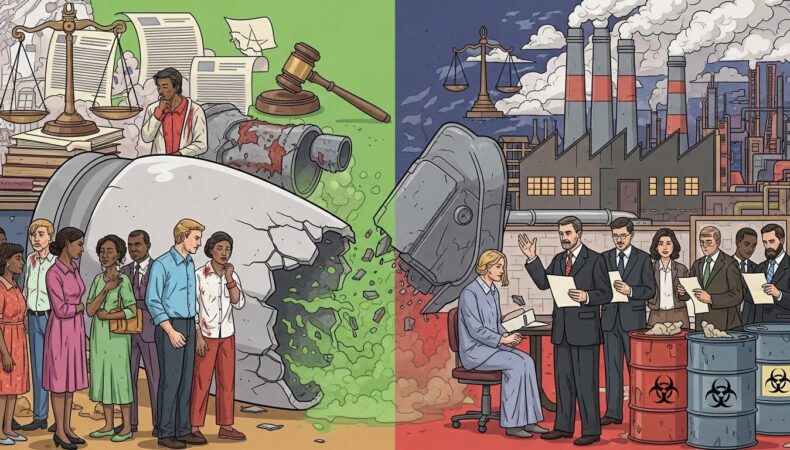
The Rise of Product Liability & Mass Tort Cases
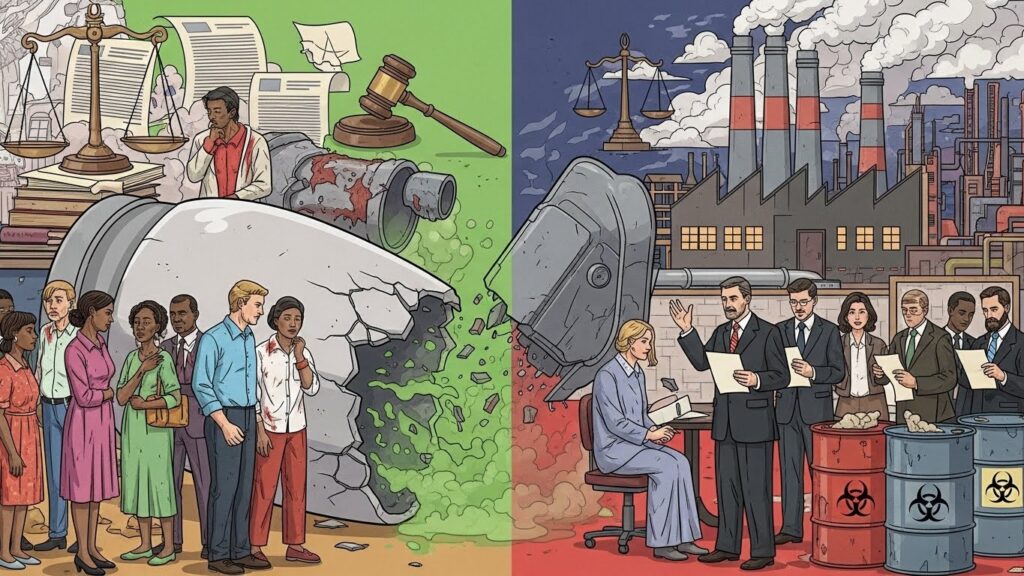
2025 is seeing a notable surge in product liability and mass tort litigation — driven by public health concerns, corporate negligence, and increased awareness of consumer rights. For victims, this trend may open new opportunities for compensation when harm results from defective or dangerous products.
What’s fueling the increase?

First, certain large‑scale issues — such as toxic substances (like PFAS), defective medical products, or misrepresented health products — have triggered waves of lawsuits. As awareness spreads, more plaintiffs are coming forward seeking justice.
Second, legal structures are evolving. Mass tort and class-action mechanisms make it feasible for many victims to join a collective lawsuit, reducing individual legal costs and increasing negotiating power against big corporations.
Third, because the consequences of some defective products are long-term (e.g. chronic illness, life-altering impairment), courts and plaintiffs are more willing to pursue high-value claims that reflect real harm, not just immediate damages.
Common categories & practical considerations
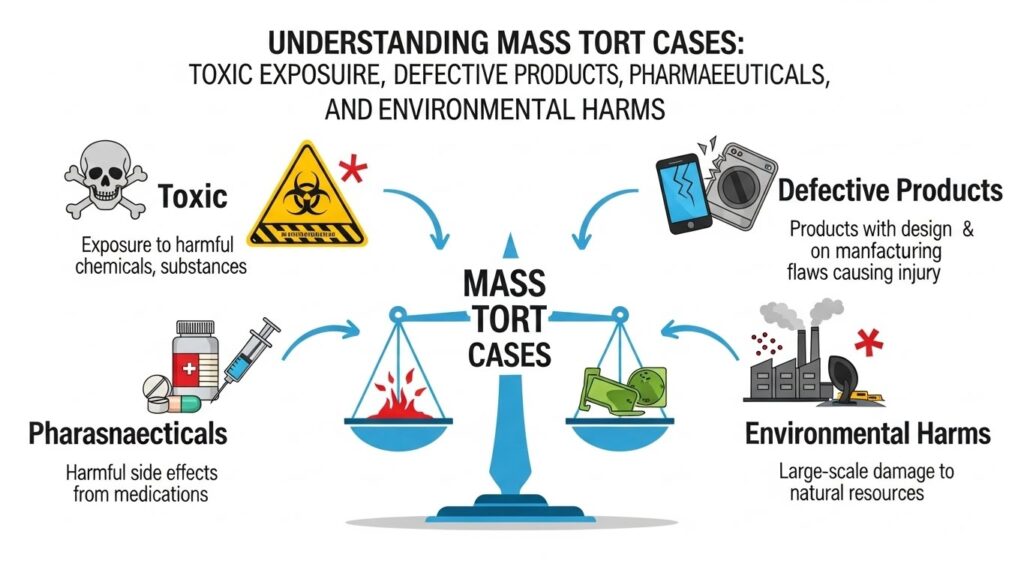
- Toxic exposure: chemicals, pollutants, contaminated water
- Defective consumer products: faulty appliances, dangerous medical devices, mislabeled supplements
- Pharmaceutical & medical products: wrongful side-effects, lack of adequate warning
- Large-scale environmental or industrial harms: affecting many individuals simultaneously
What victims should know:
- Mass torts can be lengthy — cases often take years to resolve due to complexity, number of plaintiffs, and corporate defense strategies.
- Documentation is critical: medical records, timelines, proof of exposure or product usage, expert testimonies.
- Even if damage seems minor initially, long-term health monitoring may uncover chronic or latent conditions — which can influence compensation.
Legal implications: As mass-torts and product liability cases grow, legal professionals predict increased scrutiny on corporate practices, more regulatory oversight, and stricter safety standards for consumer goods. For plaintiffs, this means potential for large-scale justice — but also the need for resilience, patience, and strong legal representation.
Conclusion
If you believe you’ve been harmed by a defective product, toxic exposure, or corporate negligence, 2025 may offer greater chances of justice than in previous years. But success hinges on evidence, expert support, and strategic litigation. Stay informed, document thoroughly, and consider joining class-action efforts where appropriate.
Coming soon: a deep dive into how wearable technology (smartwatches, fitness trackers) is affecting injury claims — especially in product liability contexts.
Last modified: December 10, 2025