Remote‑Work Injuries: The New Frontier in Personal Injury Claims
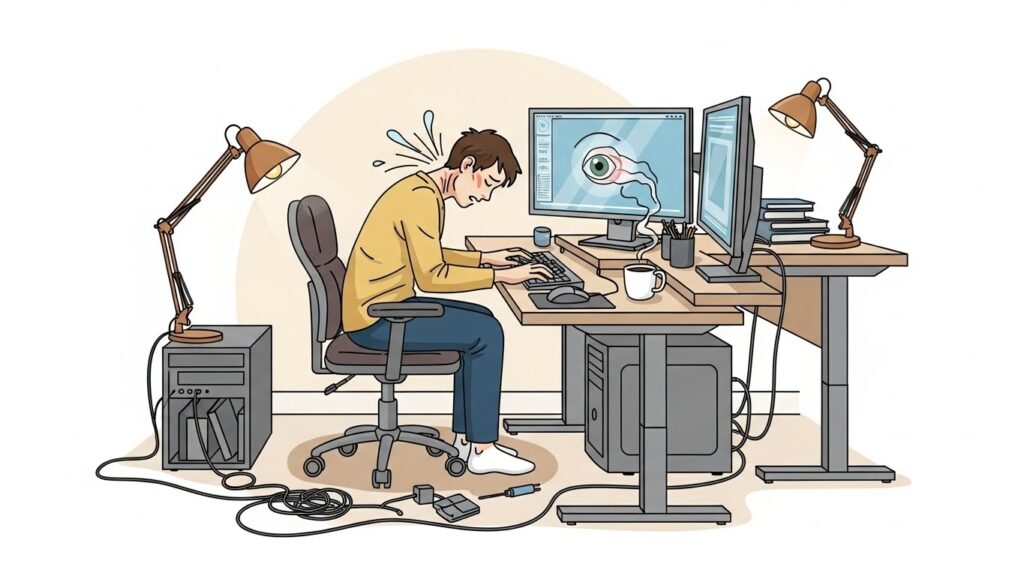
With remote work and hybrid employment becoming permanent fixtures in 2025, personal injury claims are expanding beyond traditional office or industrial settings. New types of injuries — from ergonomic strain to mental stress — are emerging, and courts are starting to take notice.
What kinds of home‑office injuries are surfacing?
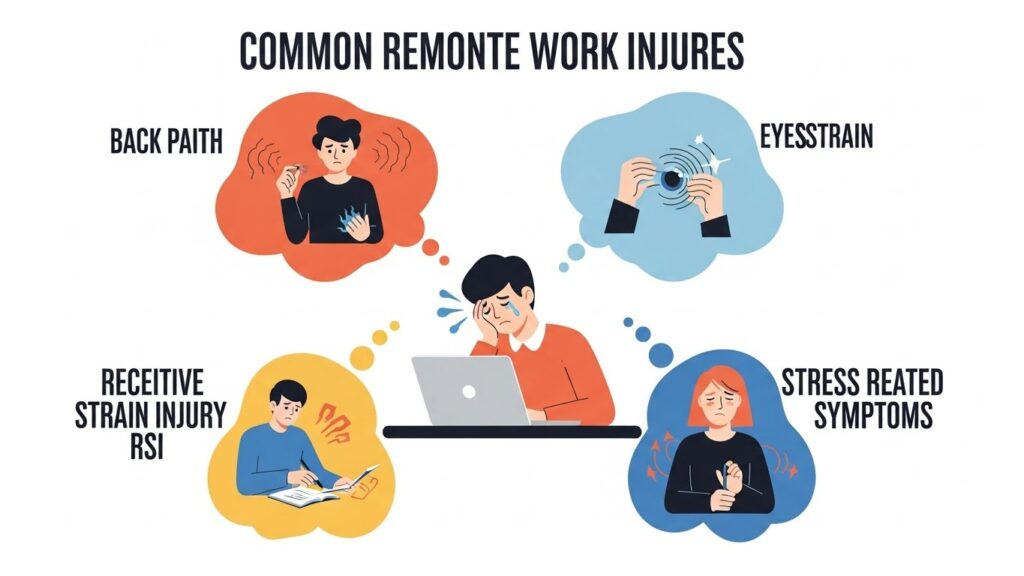
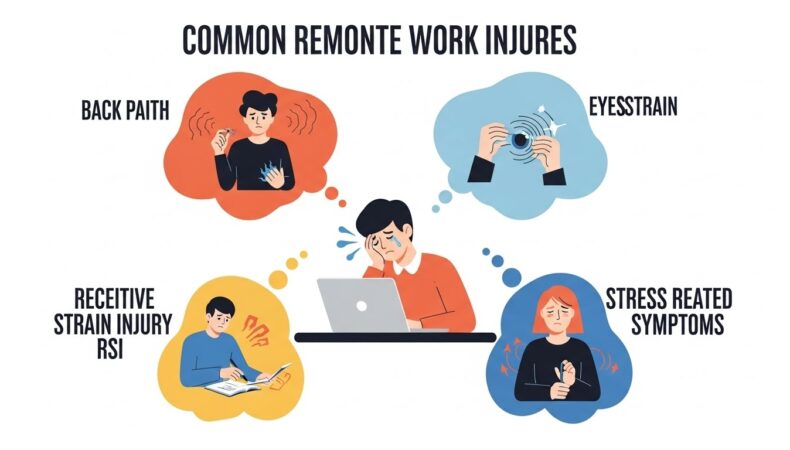
Some of the most common issues include repetitive strain injuries (RSI), poor ergonomics leading to back or neck pain, eye strain, and even mental health problems resulting from isolation, stress, or burnout. In some cases, victims also combine work-related mental health claims with emotional distress or stress-related disorders.
Employers — especially those now operating under hybrid or remote-first models — might still be liable for injuries or health problems arising from remote work, depending on local labor laws and negligence standards.
Why this matters now:
- The line between “workplace” and “home” is blurring; remote work was once seen as informal but is now standard.
- Many home offices lack ergonomic setups, proper safety standards, or employer oversight — increasing risk of injury.
- Mental health and stress-related claims are being recognized more frequently in personal injury contexts.
What remote workers should do if injured

- Document everything: keep records of work hours, workspace setup, any injury onset and its cause.
- Seek medical / ergonomic / psychological evaluation as appropriate — even if symptoms appear minor at first.
- Consult a lawyer experienced in workplace and remote-work claims: liability, employer responsibility, and workers’ compensation laws differ widely depending on jurisdiction.
Challenges and gray areas: Because remote-work injuries are still a relatively new phenomenon, there are many uncertainties: whether employers are responsible, how to prove causation, what counts as a “workplace,” and how to value non-physical harms like stress or mental fatigue. Courts and insurers are still catching up.
Conclusion
Remote-work injury claims represent a growing frontier in personal injury law. As work patterns change permanently, legal frameworks — and victims’ expectations — are evolving too. For remote workers experiencing health issues or injuries, being informed and proactive is key.
Watch this space for our next article under Workplace Injuries, where we’ll examine gig-economy and rideshare-related injury claims.
Last modified: December 10, 2025