Emotional Trauma & Mental Health Claims: Why They Matter Now

Personal injury law in 2025 is seeing a growing recognition of emotional trauma, psychological harm, and long-term mental health impacts as valid grounds for compensation. This marks a shift from traditional focus solely on physical injuries and medical bills.
The shift toward broader definitions of harm
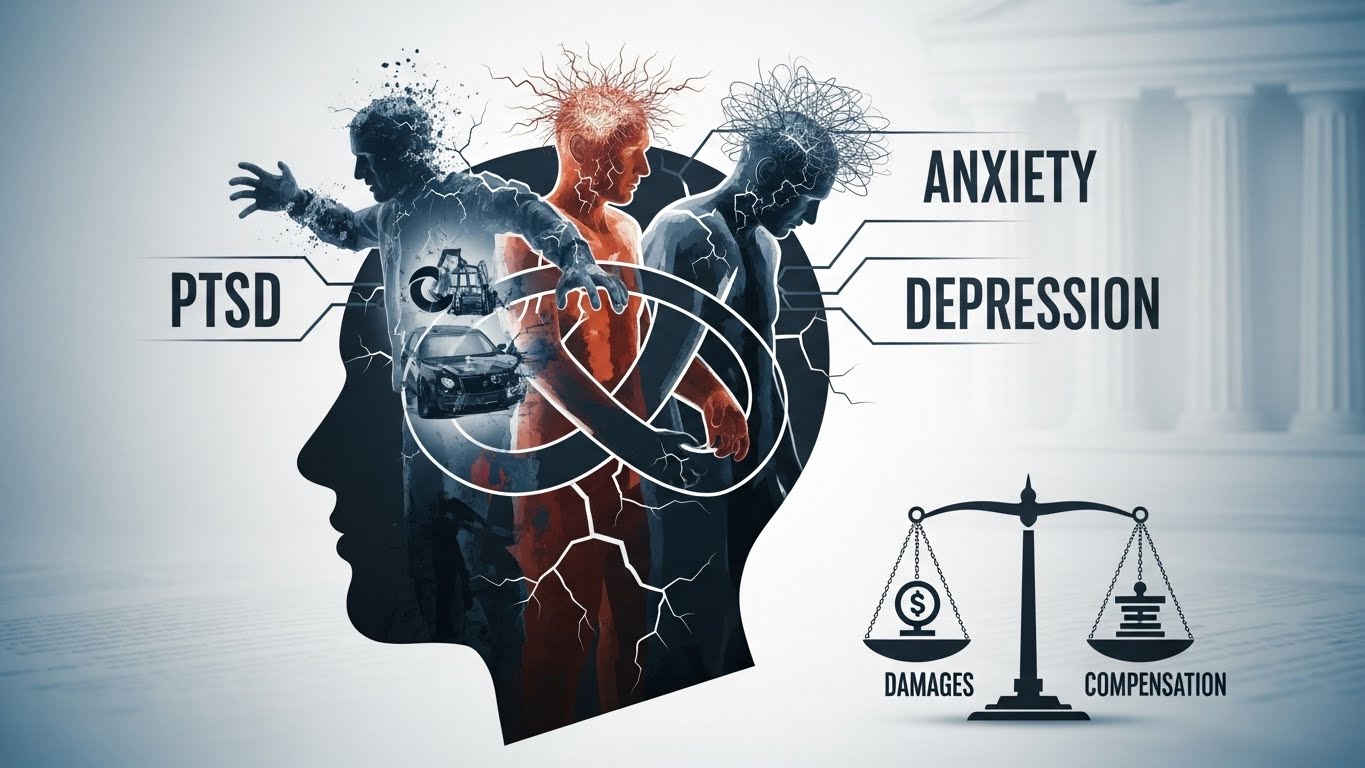
For many years, personal injury claims focused mainly on physical damages — broken bones, hospital stays, lost wages. But now, courts are increasingly open to awarding compensation for intangible but very real harms: PTSD, anxiety, depression, loss of enjoyment of life, loss of self-esteem, and long-term psychological impact.
This broader view aligns better with the lived reality of many victims — where even after physical healing, emotional scars remain. Legal professionals are responding: law firms are increasingly collaborating with mental-health experts to document and present these damages in court.
- Fuller justice: Recognizing emotional trauma helps ensure victims are compensated for long-term suffering, not just immediate medical costs.
- Higher settlements: Emotional damages can significantly increase the value of a claim — reflecting real non-economic losses.
- More holistic documentation: Medical reports, therapy records, psychiatric evaluations — all become part of the case evidence, not just physical injury records.
Challenges and tips for mental health claims

Despite the positive shift, proving emotional trauma is often more complicated than proving a broken bone. Courts require credible documentation — therapy records, expert psychiatric testimony, evidence of long-term impact on daily living, work, relationships. Simply stating “I feel depressed” is rarely enough.
Also, because emotional damages are subjective, defense parties and insurers may push back harder — arguing that mental health impacts are not severe, are unrelated, or were pre-existing. It is thus vital to have experienced counsel who can build a robust case.
Tips for victims:
- Seek professional help early — therapy, psychiatric evaluation — and maintain complete documentation (session records, diagnoses, treatment plan, receipts).
- Be honest and thorough when describing emotional and psychological symptoms; vague or inconsistent accounts weaken the case.
- Work with lawyers who understand both medical and psychological aspects of trauma.
Conclusion
The inclusion of emotional and mental health damages in personal injury claims is no longer fringe — it’s becoming standard. For many victims, this means a better chance at comprehensive compensation that reflects the full scope of harm suffered. But success depends heavily on proper documentation, expert testimony, and skilled legal representation.
Next up: we’ll look at how remote work, gig-economy jobs, and new workplace hazards are shaping work-related injury claims. Watch for our post under Damages & Compensation.
Last modified: December 10, 2025