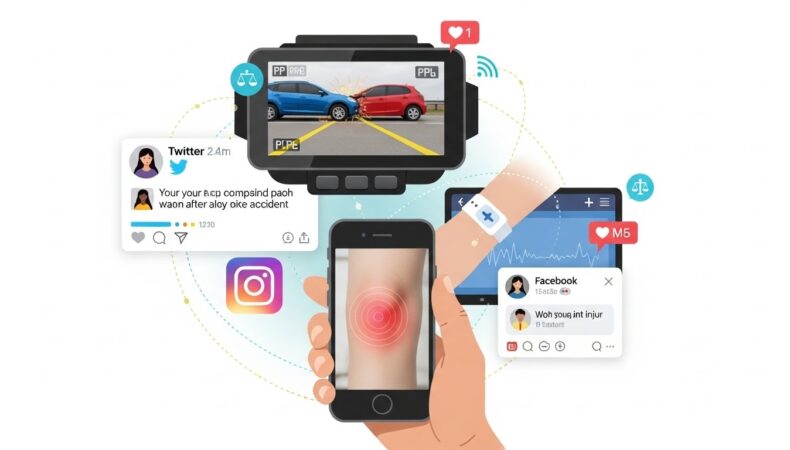
How Digital Evidence Is Changing Injury Claims
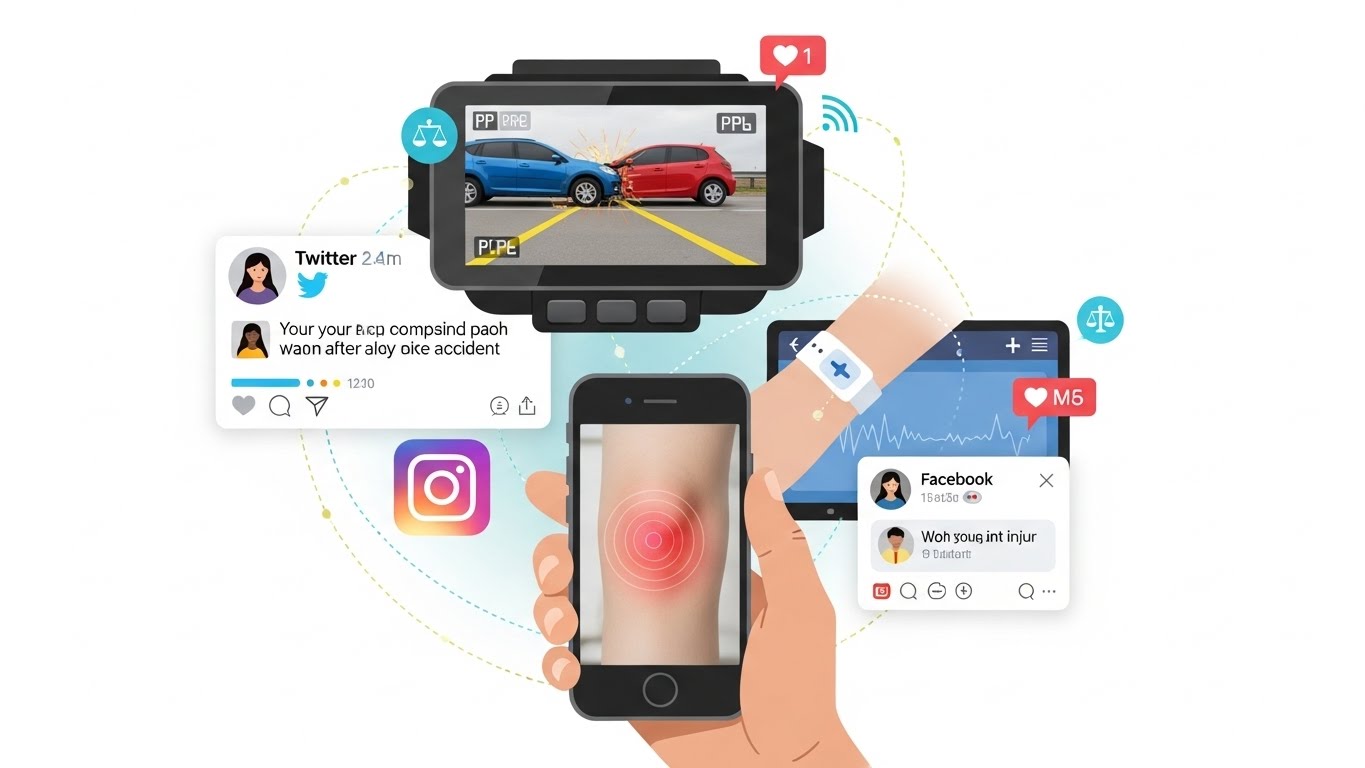
In 2025, digital evidence such as dash‑cam footage, smartphone photos or videos, and social media posts are becoming increasingly central to personal injury claims. These tools can dramatically change the strength of a case — for better or worse.
Why digital evidence matters more now than ever
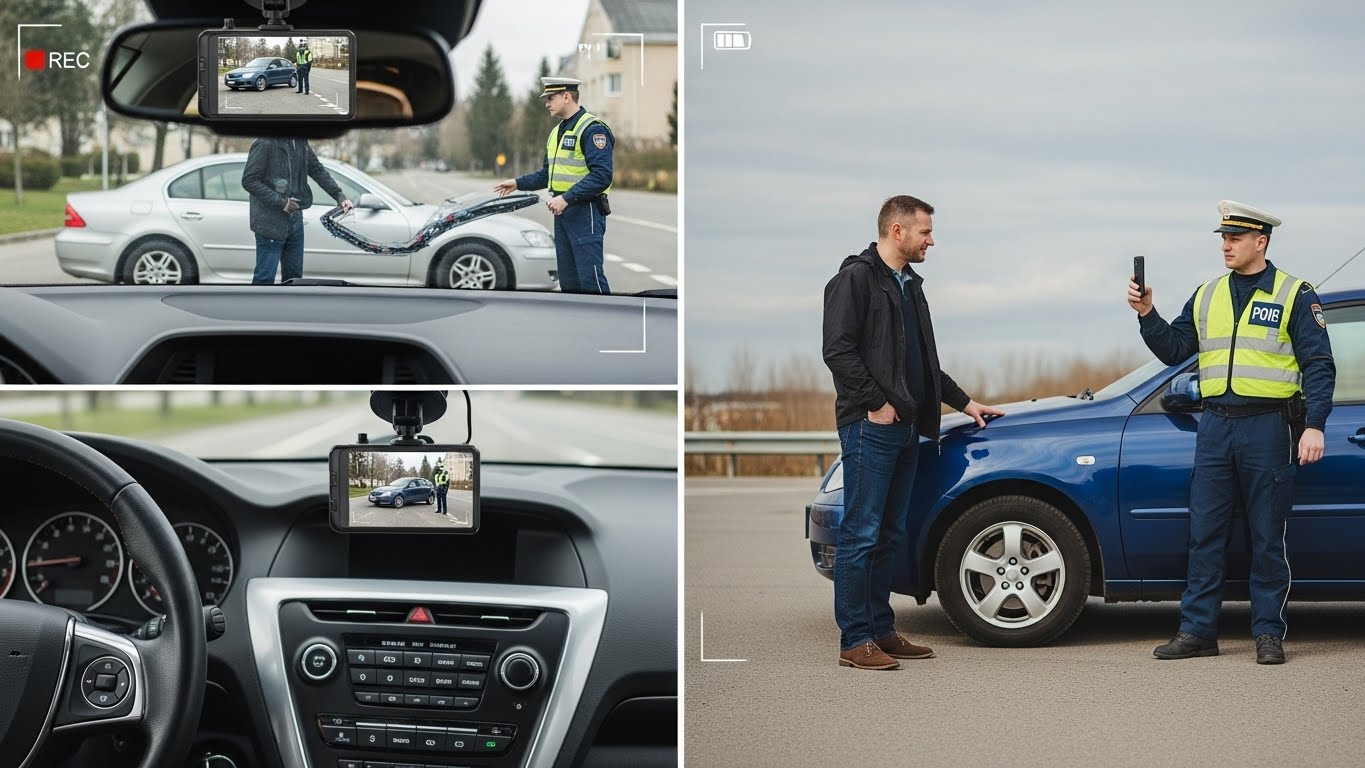
With improvements in camera quality and ubiquitous use of smartphones, many accidents and injuries are now recorded — often unintentionally — in real time. Dash cams and body cams are gaining popularity for vehicles and law enforcement, which can capture crucial moments immediately before, during, or after a crash.
Moreover, social media and public cameras (security cameras, street cameras) have turned into evidence gold mines. Plaintiffs can use social media posts, publicly shared videos, and timestamps to corroborate their version of events — provided the evidence is collected and preserved properly.
- Clear visual proof: Footage reduces reliance on memory or testimony, minimizing “he said / she said” disputes.
- Objective timestamps: Videos or photos often come with metadata indicating date/time — proving when and where an incident happened.
- Behavior evidence: Dash cams or cameras may show driver behavior, negligence, or road conditions.
Challenges, strategies, and future considerations

Despite these advantages, using digital evidence raises new legal and ethical challenges. Privacy laws and data-protection regulations may complicate the admissibility of some recordings. Courts are evolving rules about chain-of-custody, authenticity, and disclosure.
Defense attorneys and insurers are increasingly using digital forensics or AI tools to challenge or reinterpret video evidence — disputing fault or claiming footage was tampered with.
Strategies for claimants:
- Immediately preserve any digital evidence: download dash-cam footage; save photos/videos from bystanders or witnesses; do not rely solely on social media availability.
- Log metadata: time, date, GPS/location if available — this helps validate authenticity.
- Consult a lawyer experienced in digital evidence: ensure chain-of-custody is maintained, and digital files are admissible.
Looking ahead: As digital evidence becomes standard, courts and legislatures will refine rules about admissibility, privacy, consent, and data retention. Gathering digital evidence quickly and correctly — ideally with legal guidance — will be a key factor in winning or losing injury claims.
Next post: we’ll explore how wearable technology (smartwatches, fitness trackers) is influencing personal injury cases. Stay tuned under Evidence & Investigation.
Last modified: December 10, 2025