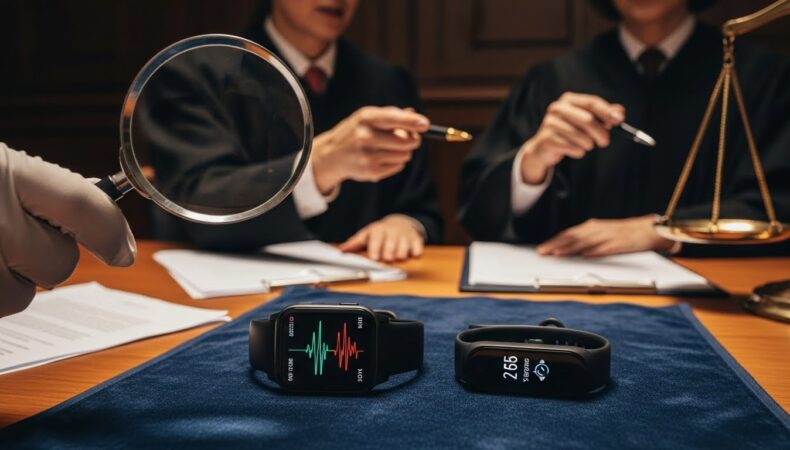
Wearable Tech & Smart Devices: The Next Evidence Frontier
As wearable devices like smartwatches and fitness trackers become more prevalent, they’re finding new uses beyond health and fitness — including as potential evidence in personal injury cases. 2025 is seeing growing interest in how data from wearables can help prove injury severity, treatment progress, or fact patterns in accidents.
What kind of data can wearables provide?
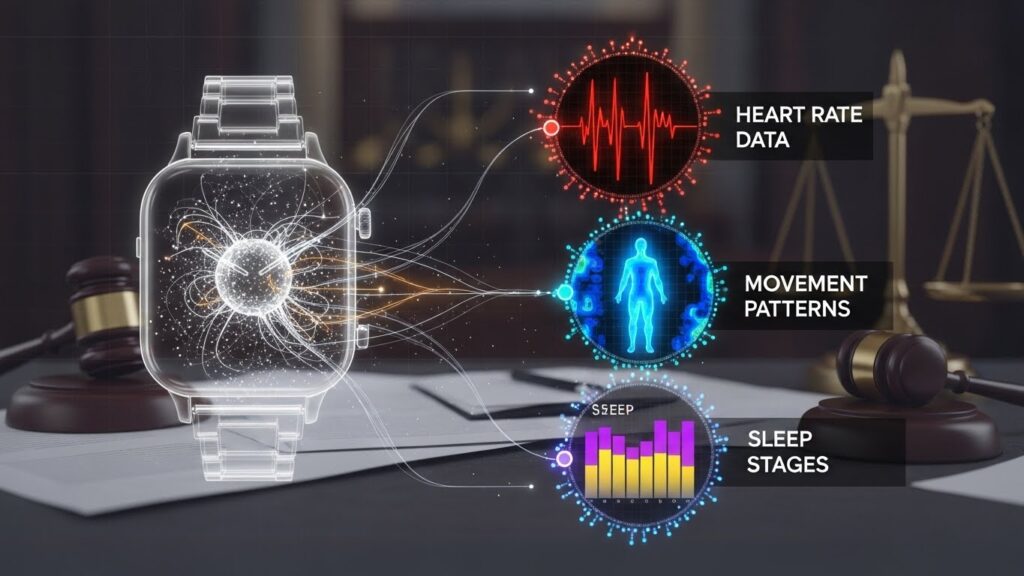
Wearables often track heart rate, activity levels, movement patterns, sleep quality, and more. In the context of injury claims, this data can help show pre-accident baseline health (if available), and post-accident changes: reduced mobility, abnormal vital signs, disrupted sleep, increased stress — all relevant to damages or medical impact.
In some cases, courts and insurers may accept wearable data as corroborating evidence — especially if accompanied by other medical records, therapy notes, or consistent symptoms documented over time.
Advantages of wearable evidence
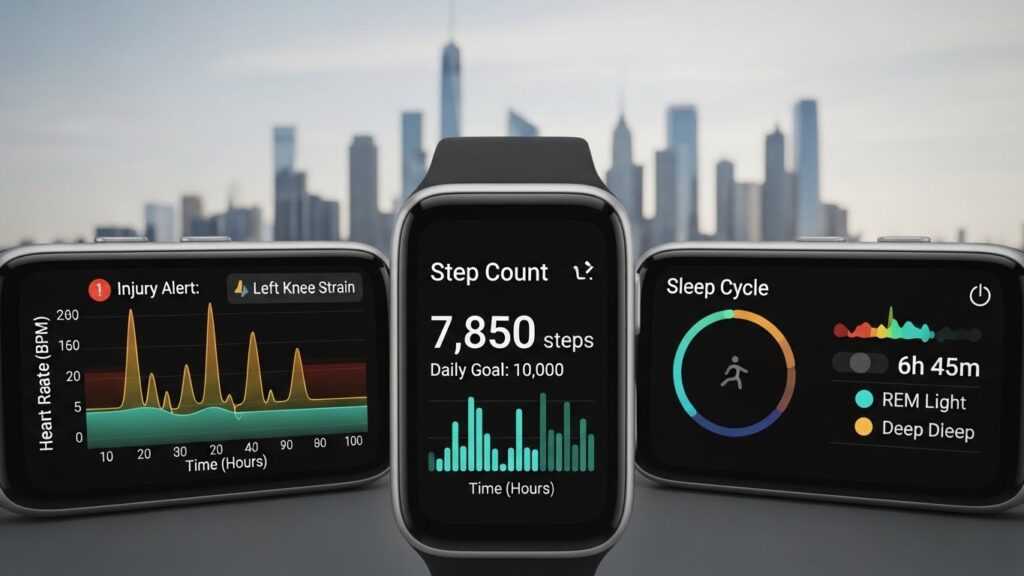
- Objective & continuous tracking: Rather than a one-time snapshot, wearables provide ongoing data on how an injury affects daily life.
- Demonstrates long-term impact: Shows not just the immediate aftermath, but prolonged effects (e.g., reduced activity, sleep disturbances, stress).
- Supports emotional and mental-health claims: Sleep quality, heart rate variability, stress levels — useful for PTSD or anxiety-related claims.
Challenges & legal considerations
Admissibility of wearable data is not yet universal. Questions may arise about accuracy, tampering, privacy, data ownership, and whether devices were used properly or consistently. As of 2025, legal standards vary widely.
Moreover, data alone rarely suffices — it must be contextualized with medical diagnosis, expert interpretation, and consistent documentation. Wearable data is best used as a supplement, not the sole basis of a claim.
Practical tips: If you plan to use wearable data
- Start collecting data as early as possible — ideally pre-accident baseline.
- Keep consistent records — daily logs, export raw data if possible, avoid overwriting or deleting data.
- Work with lawyers or experts experienced in interpreting biometric data for legal context.
Conclusion
Wearable technology is transforming from lifestyle gadgets into powerful legal tools. While still emerging, in 2025 wearables offer a promising new dimension to personal injury evidence — capable of demonstrating long-term impacts, emotional stress, and real-life limitations. For plaintiffs, they represent an opportunity; for insurers and defendants, a new challenge.
Next article (under Evidence & Investigation) will discuss how stricter data-privacy laws and digital-evidence regulations are shaping what’s admissible in court. Stay tuned.
Last modified: December 10, 2025