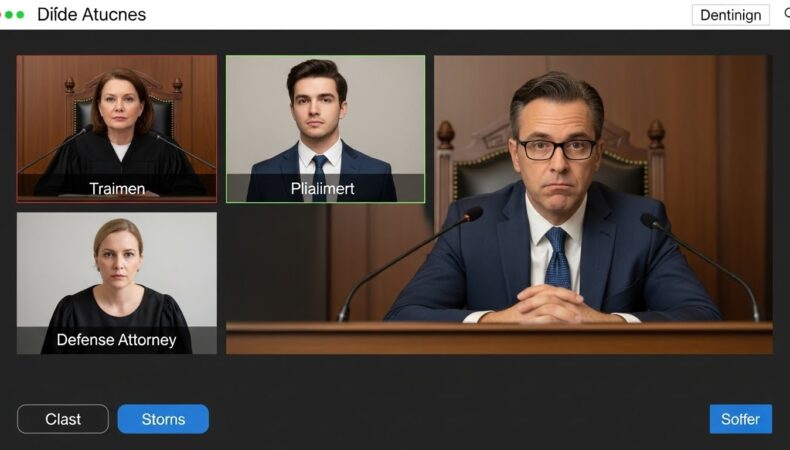
Virtual Courts & Online Dispute Resolution: The New Normal
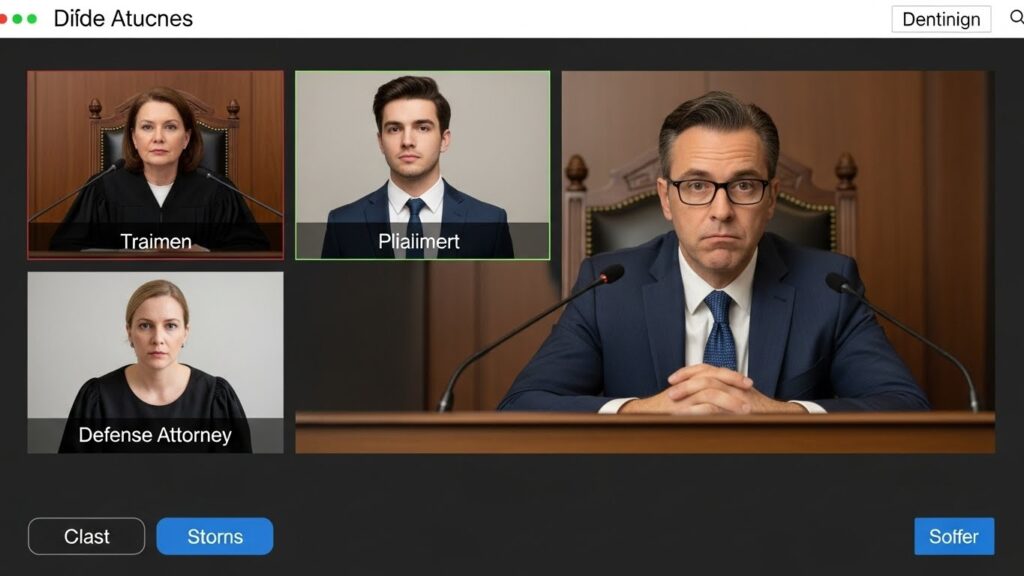
In 2025, many jurisdictions are embracing virtual courts, remote hearings, and online dispute resolution (ODR) for personal injury cases — making legal access more flexible, but also introducing new procedural dynamics.
Why virtual litigation is gaining ground

The shift was accelerated during the global pandemic, but now many courts and legal systems recognize that virtual hearings reduce costs, speed up proceedings, and improve accessibility for plaintiffs — especially those with mobility issues or limited means. Online dispute resolution platforms also offer a more convenient alternative to lengthy court trials.
For personal injury claims — which often involve extensive paperwork, medical records, evidence submission, and multiple hearings — this change can significantly reduce burdens for both victims and lawyers.
Advantages
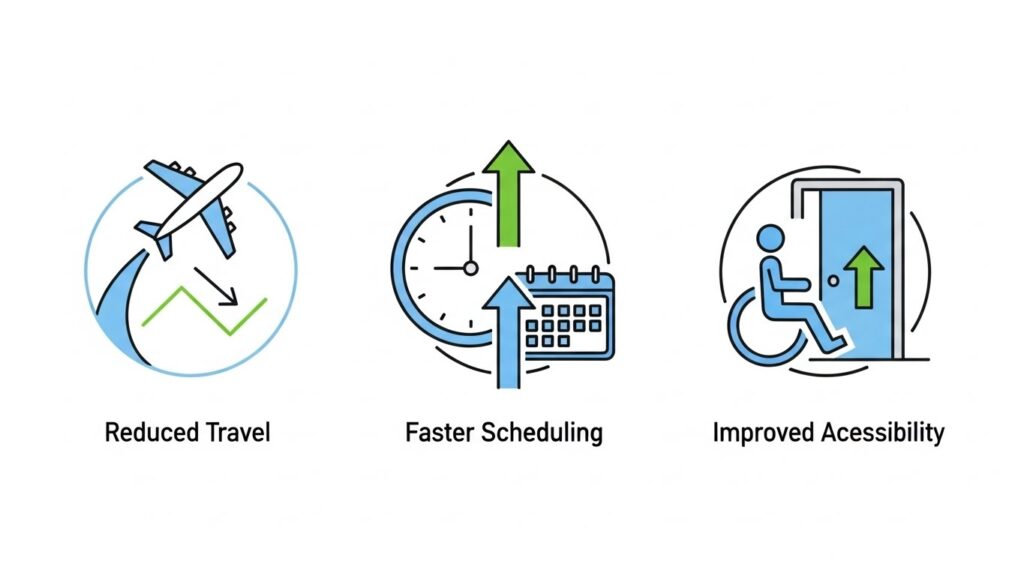
- Reduced travel and cost: Plaintiffs can attend hearings remotely, saving time and expense.
- Faster resolution: Online scheduling and digital submissions can accelerate case progress.
- Improved accessibility: People in remote areas, with health constraints, or limited transportation now have better access to justice.
Challenges & concerns

Not everything is smooth. Virtual hearings may complicate the presentation of evidence — especially physical or digital exhibits, cross-examinations, or expert testimonies. There are also concerns over access to stable internet, digital literacy, and fair representation.
Furthermore, some cases — particularly those involving serious injuries, complicated liability, or multiple parties — may still require in-person hearings to properly examine evidence or witness credibility.
What plaintiffs should prepare for

- Ensure you have a stable internet connection, a quiet space, and digital access for hearings or mediation.
- Keep digital copies of all documents, medical records, and evidence ready to upload.
- Work with a lawyer experienced in virtual litigation — one who knows how to present evidence and argument effectively in remote settings.
Conclusion

Virtual courts and online dispute resolution are reshaping personal injury litigation in 2025 — offering greater accessibility, speed, and convenience. But success depends on preparedness, technology, and strategic presentation of evidence. For many victims, this shift offers new hope for fair and efficient justice.
If you want, the next deep-dive will explore how changing regulations and liability standards — especially for self-driving cars and corporate defendants — are reshaping personal injury law under Court Procedures & Litigation.
Last modified: December 10, 2025